
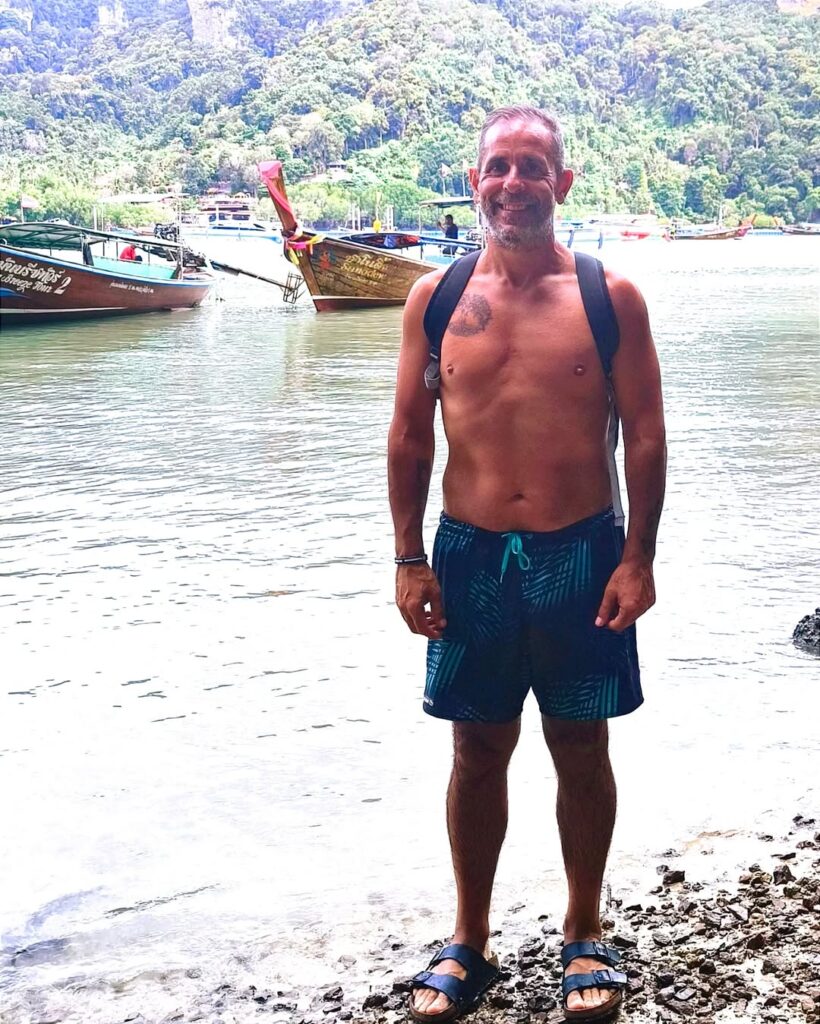
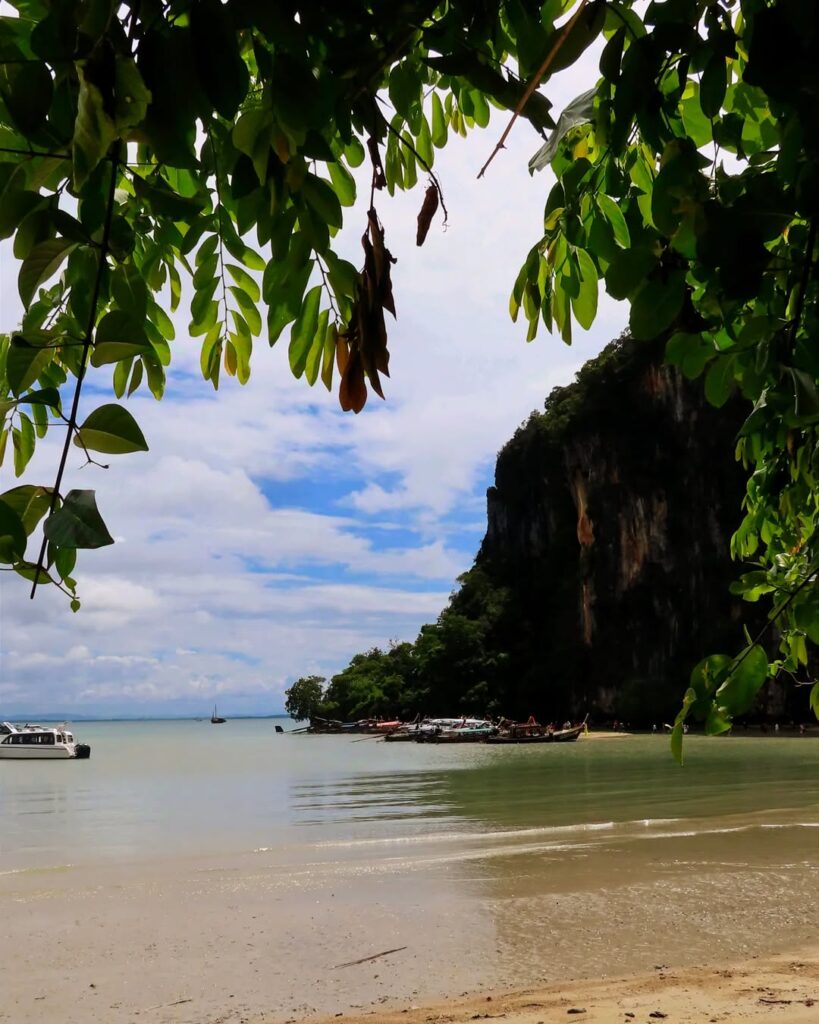
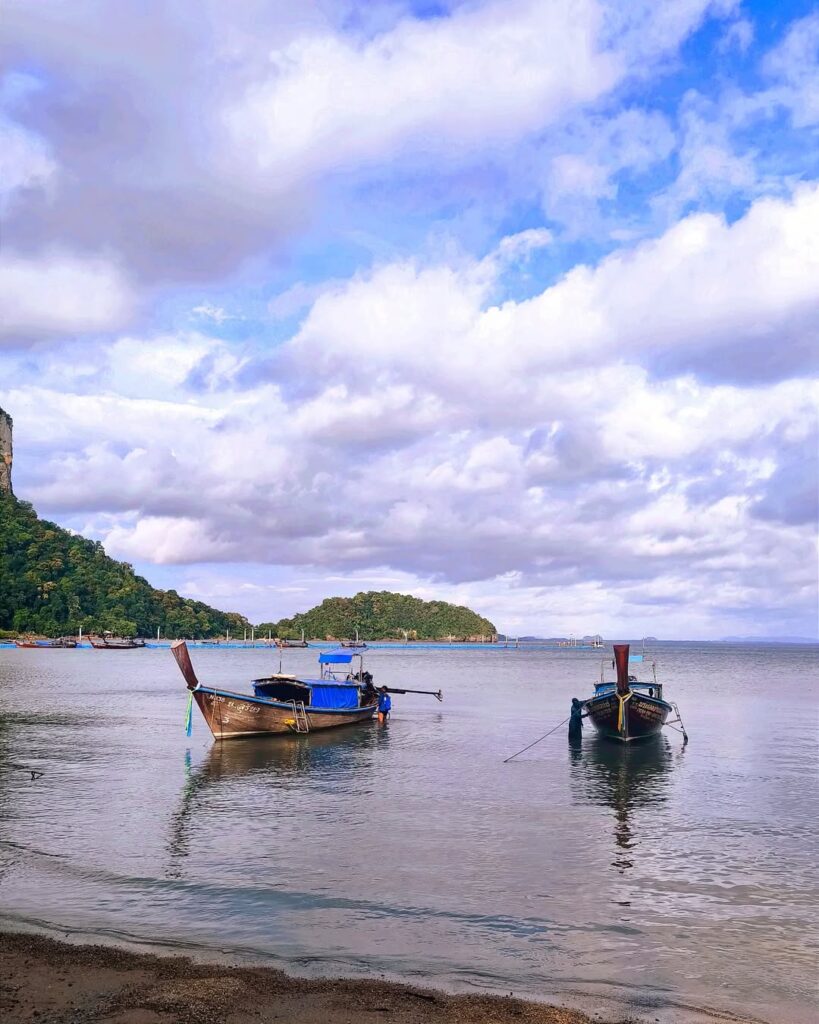
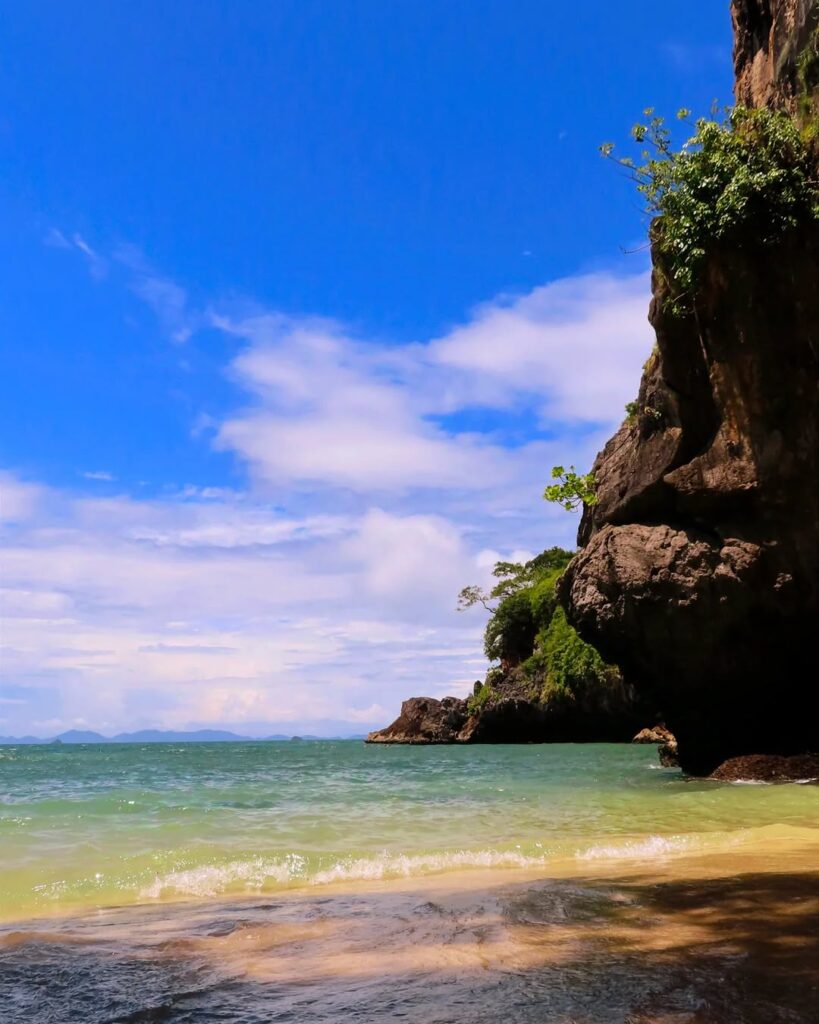
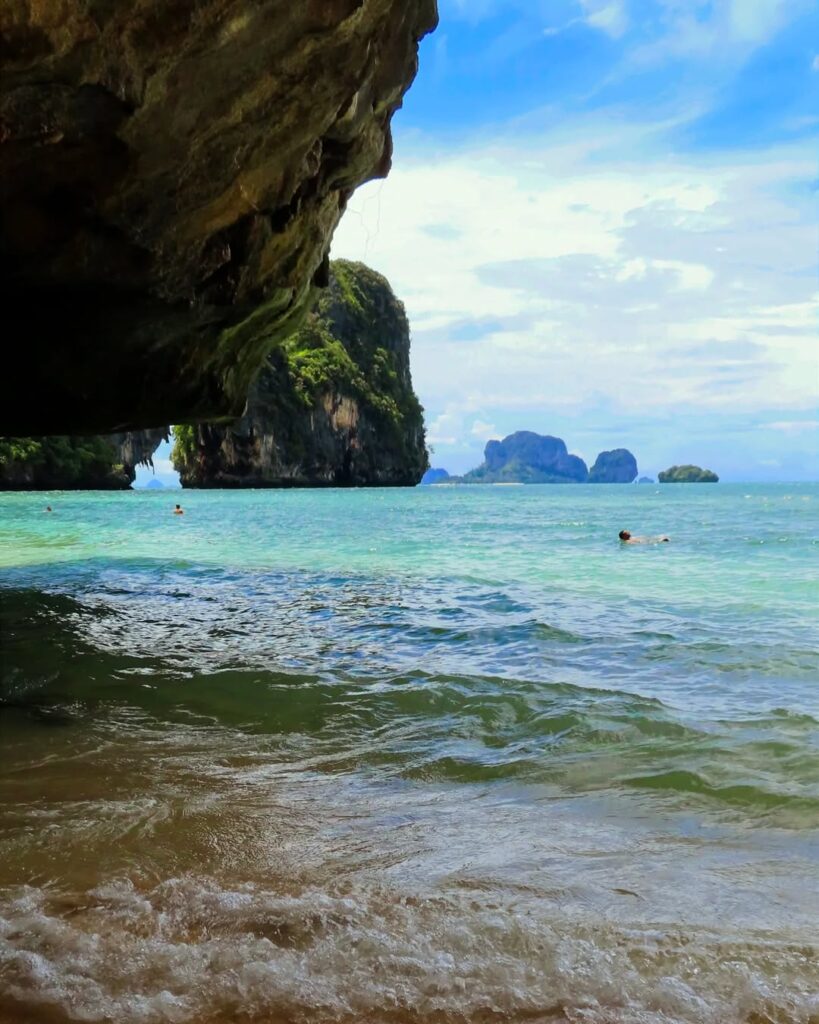
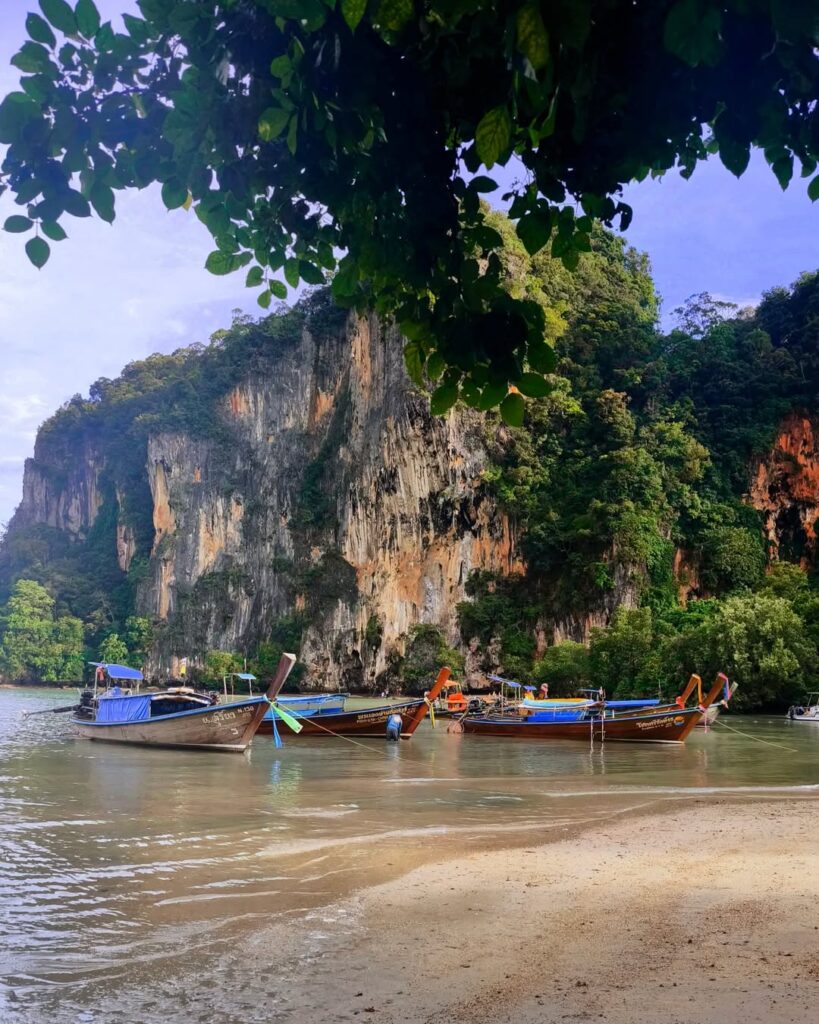
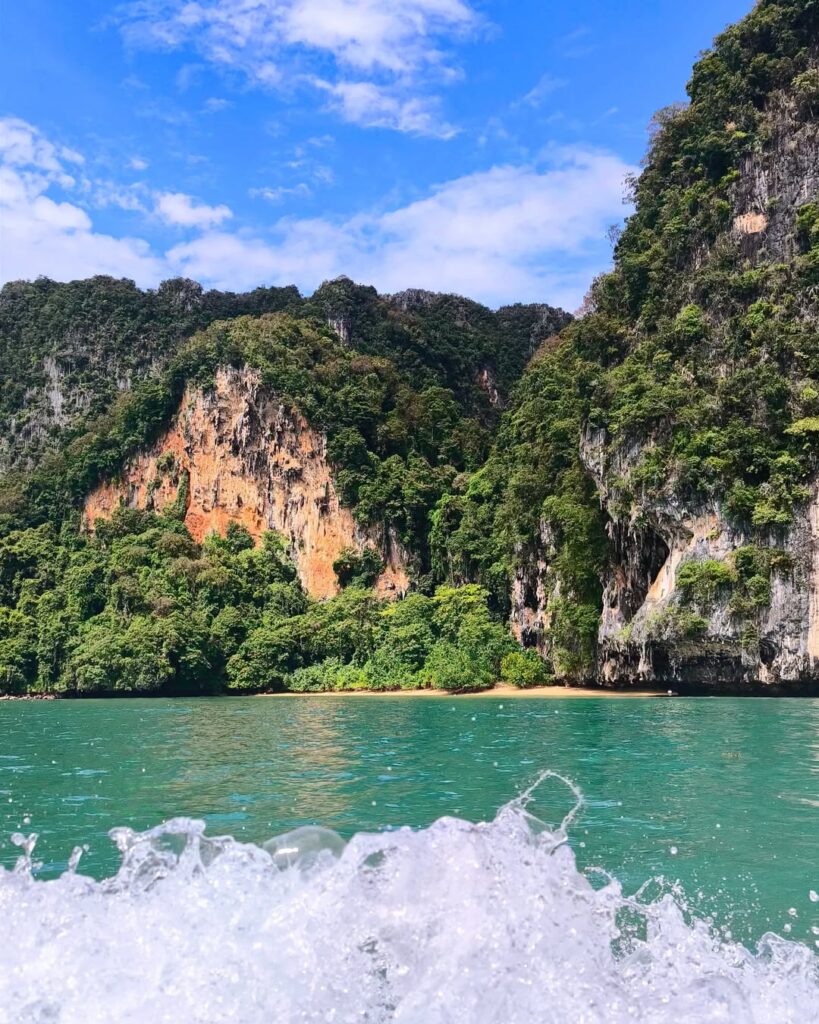
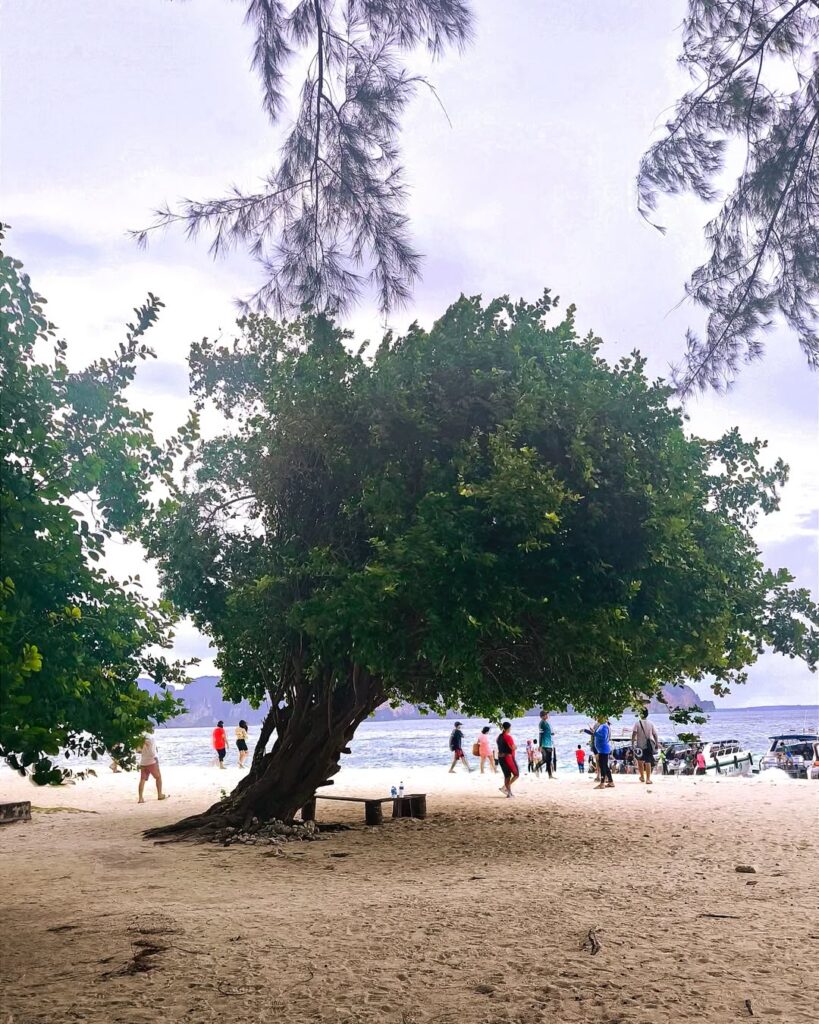
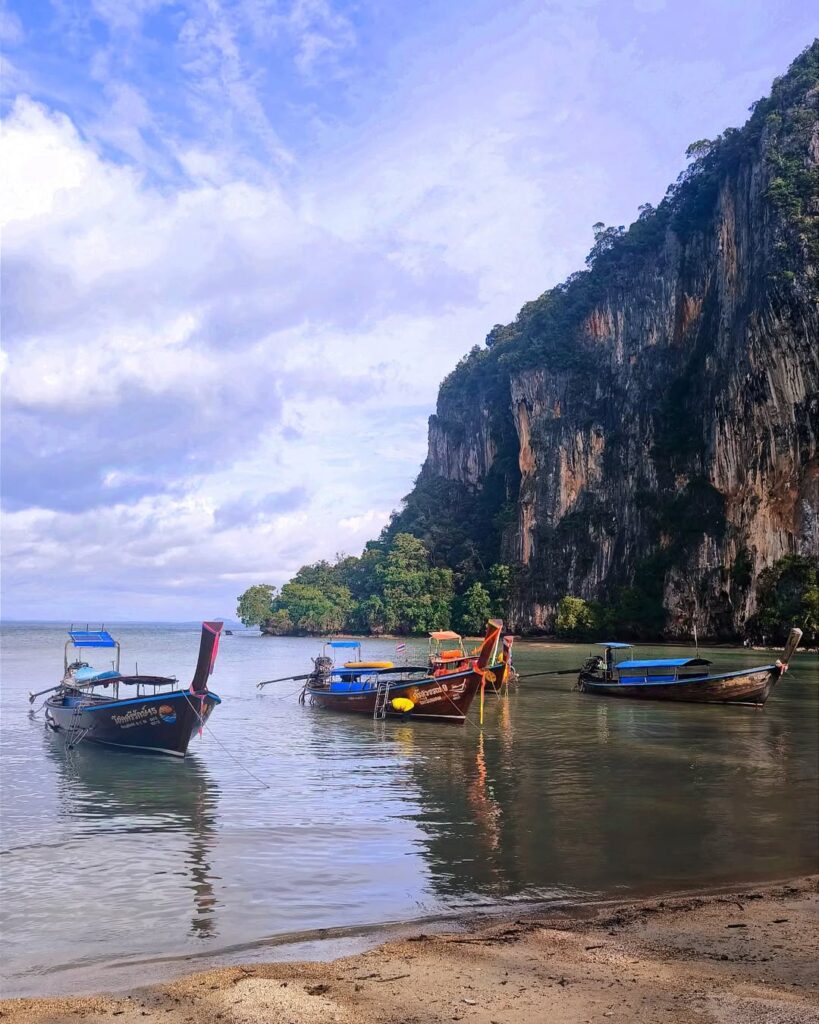
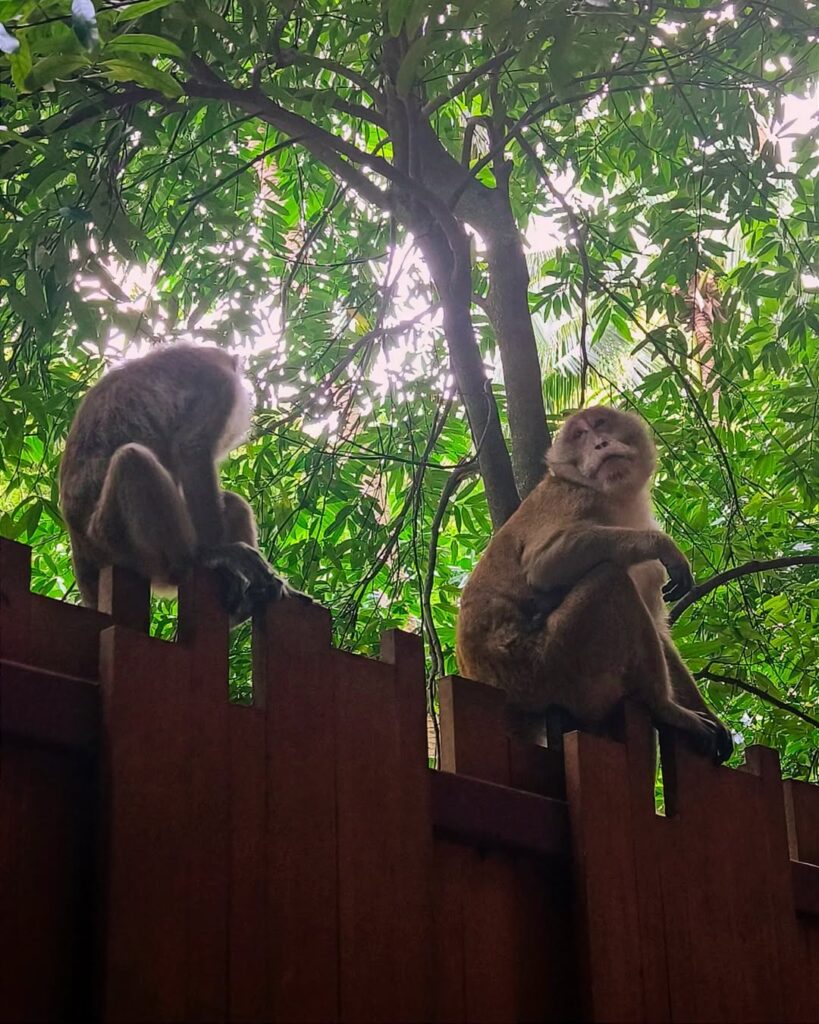
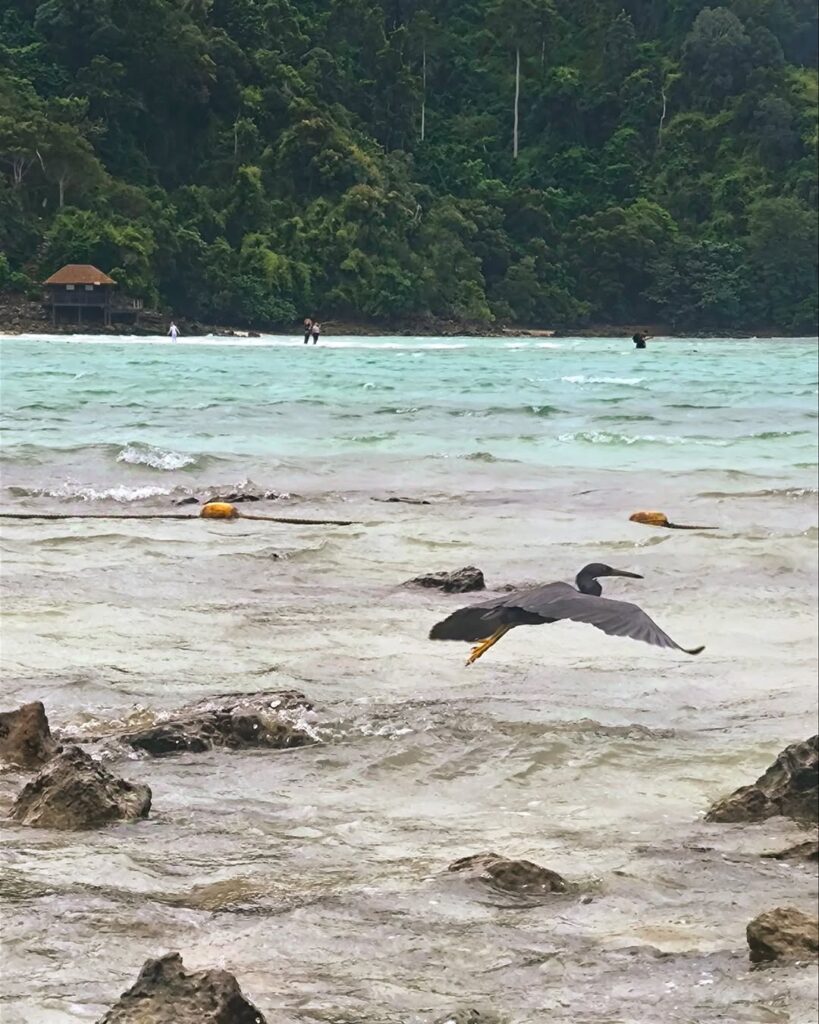
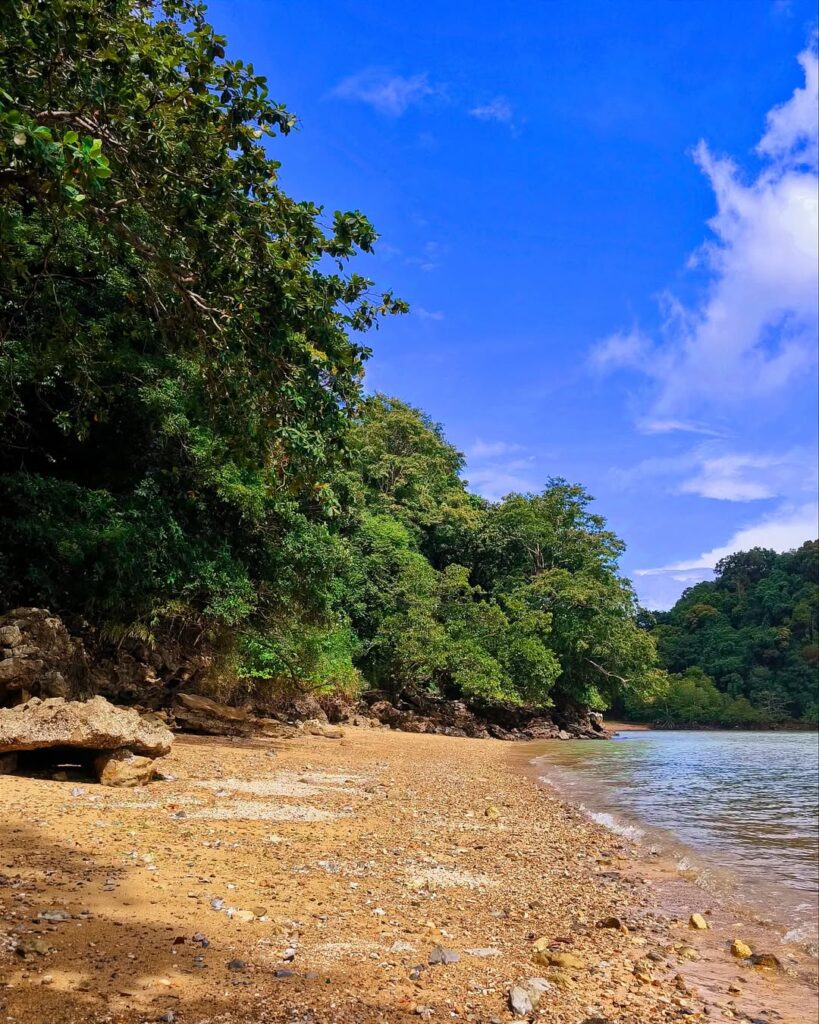
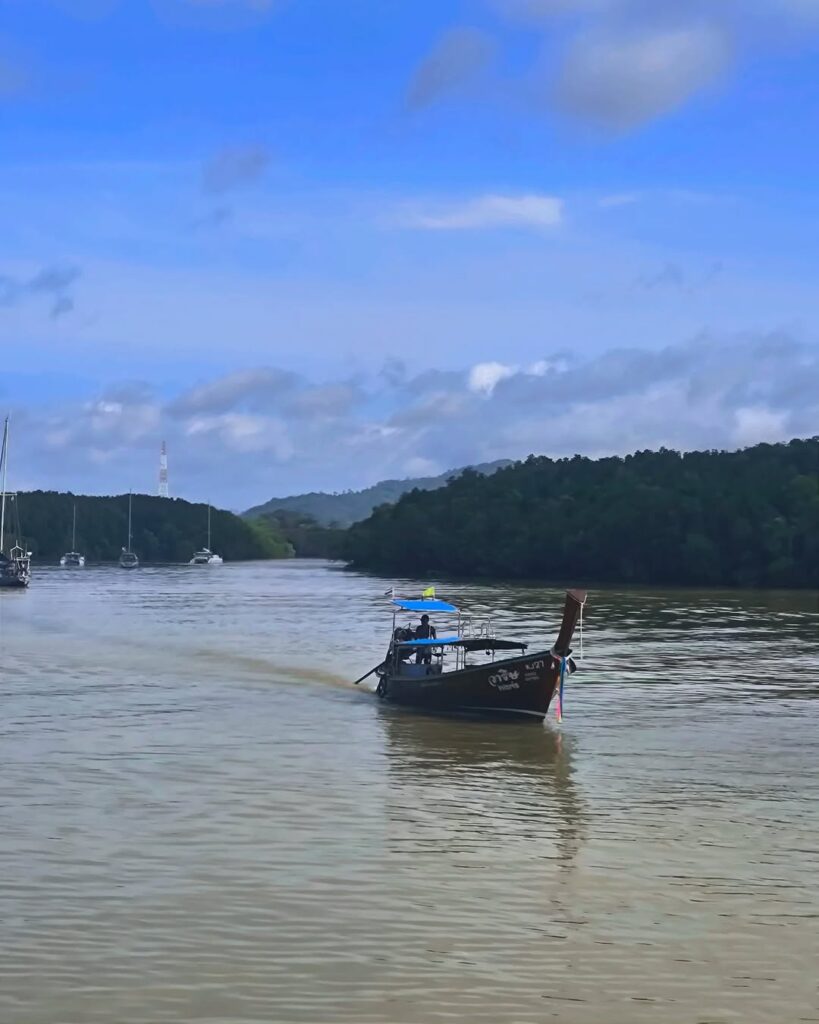
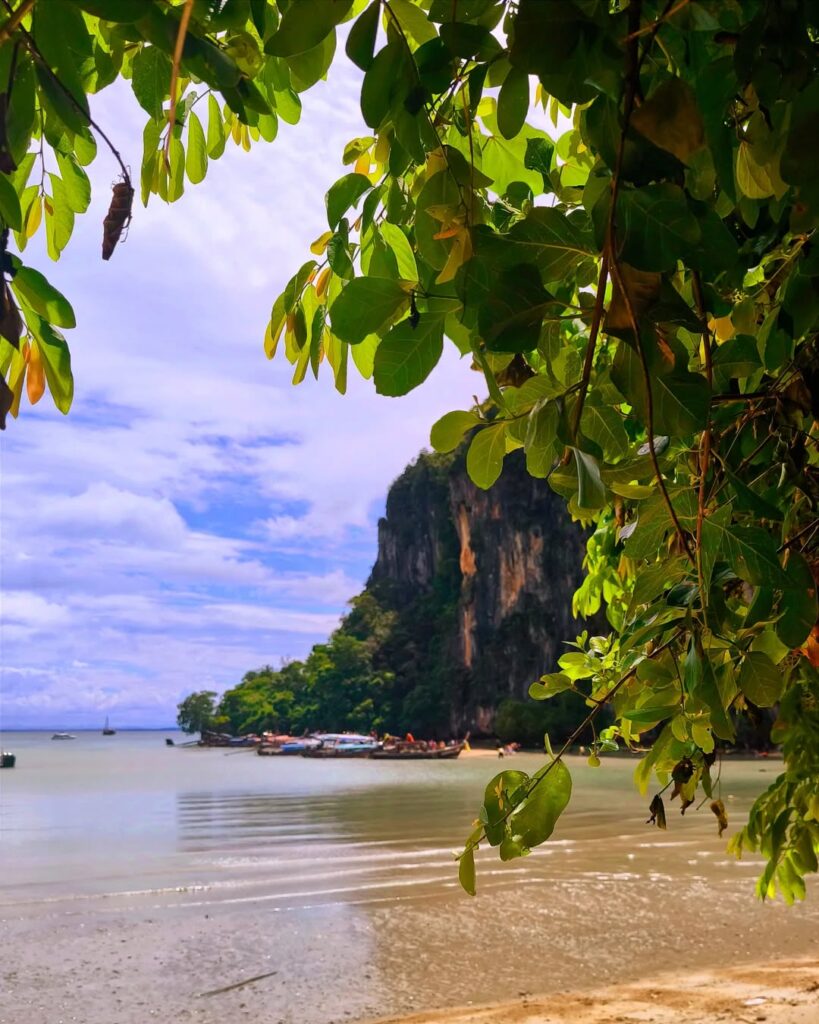
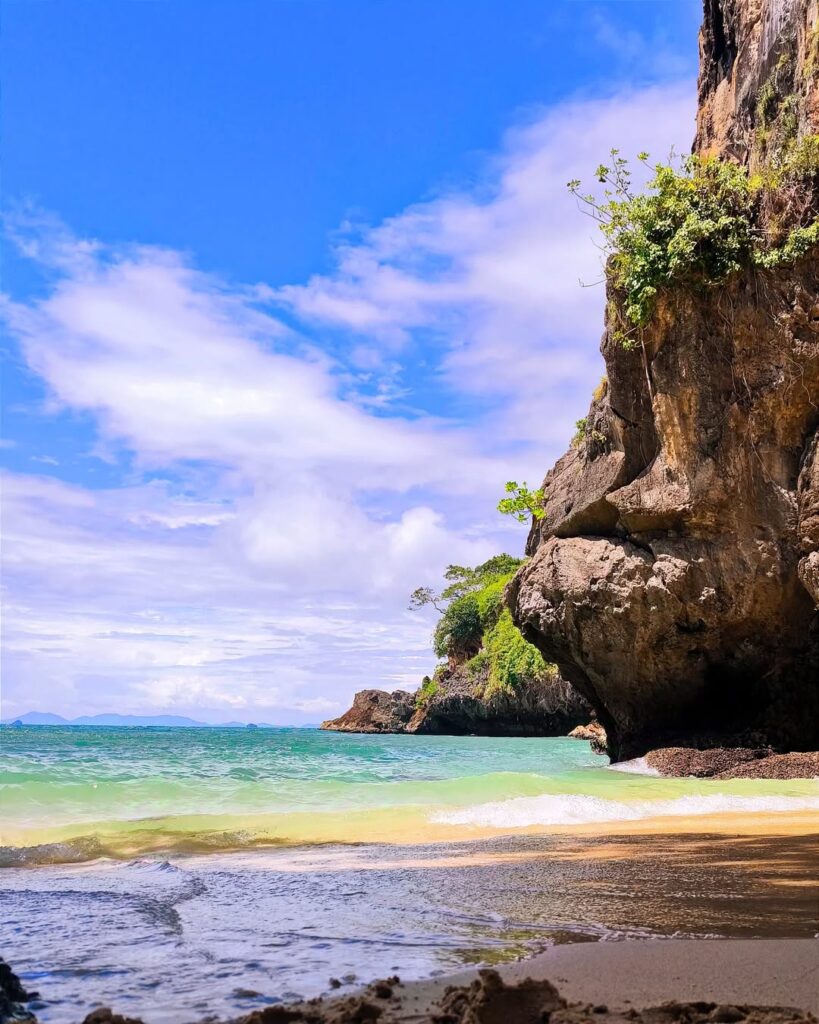
Fiz de Krabi a minha base para três dias no Sul da Tailândia. Do cais mais próximo de Ao Nang parti todas as manhã de barco rumo aqueles lugares que antes via em sonhos ou, esporadicamente, na TV e que hoje são presença constante nos feeds de Instagram ou TikTok: Phi Phi, Ko Poda, Railay Beach, Phuket, etc.
Ouvi falar mais português (sem e com sotaque) nestes três dias que nas restantes cinco semanas que andei pela Ásia. Tirando a parte da imensa pressão turística – hordas de turistas indianos, europeus e americanos, nada a apontar: as paisagens são de cortar a respiração, a água do mar e do ar não descem dos 28ºC, as frutas tropicais são orgásmicas, a comida é sempre boa e picante, os tailandeses são uns amores.
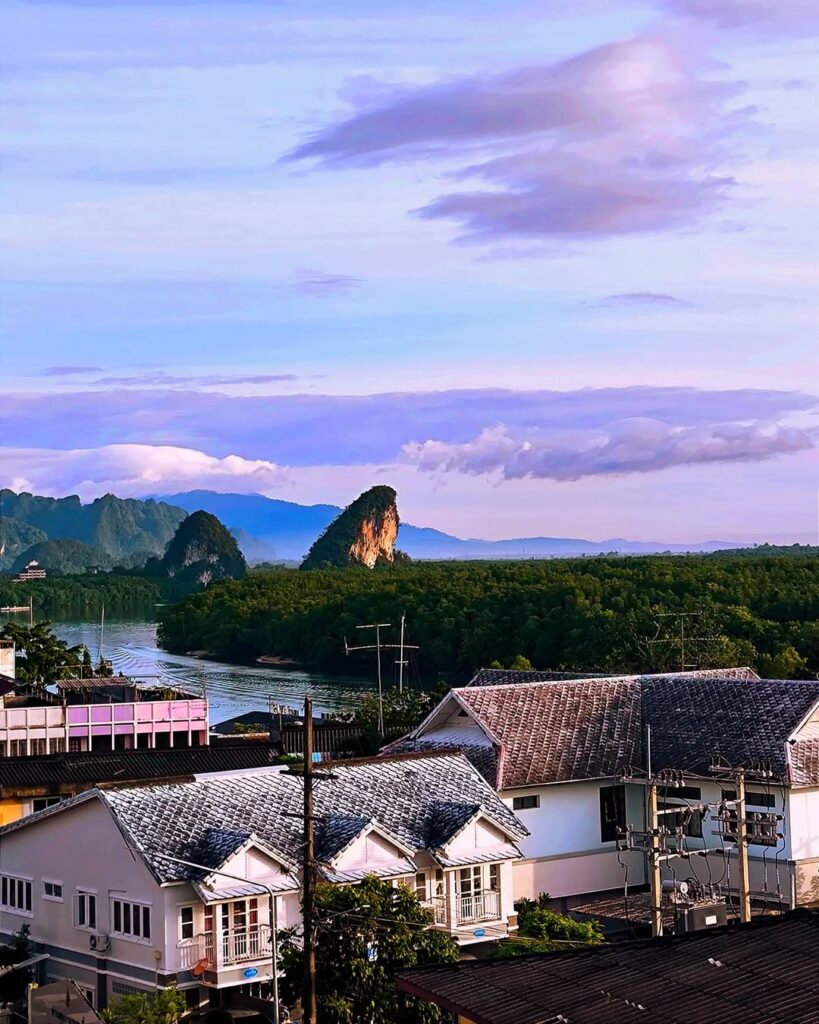
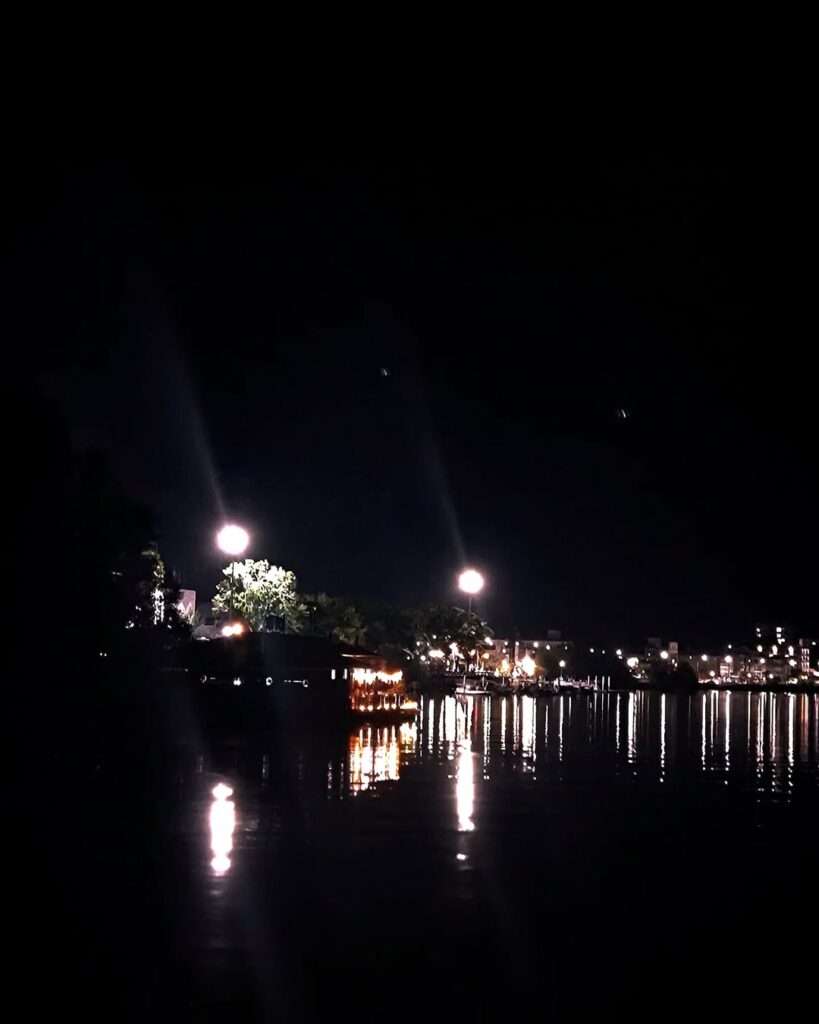
Em Krabi, tive um dos episódios mais caricatos de toda a viagem na hora da partida. Num miradouro à beira rio, enquanto fazia horas para o transfer que me levaria ao aeroporto: um tailandês de 72 anos que mais adiante na conversa me disse chamar-se Thahan e que também contemplava o rio, curioso com a minha presença, fez a já habitual pergunta: – “Where are you going?” Depois lhe dizer que ia apanhar o avião para Kuala Lumpur, veio outra pergunta habitual: “Where are you from?” – Portugal, respondi. E eis que à terceira pergunta veio a surpresa: “Have you fckd a thai woman?” Atónito com o à vontade lá lhe respondi que não. Aqui ter-se-á esgotado o manancial de perguntas do meu interlocutor e eis que puxa do seu telemóvel abre o Google Tradutor põe a traduzir de tailandês para português para me tentar explicar o que eu estava a perder ao não ter tido relações com uma tailandesa. Como estava com tempo, puxei do telemóvel e fazendo, também, uso do tradutor , lentamente lá consegui mudar o rumo da conversa para o clima, para a comida e para as minhas experiências em dez dias de Tailândia. A conversa durou prolongou-se por mais meia hora, até à chegada do meu ‘shuttle’ e foi uma prova de um dos benefícios das tecnologias para quebrarem barreiras e estabelecerem pontes.
[ENG]
Postcards from Thailand: Krabi
I made Krabi my base for three days in Southern Thailand. From the pier nearest Ao Nang, I set off by boat every morning towards those places I used to see in dreams or, sporadically, on TV, and which are now a constant presence on Instagram or TikTok feeds: Phi Phi, Ko Poda, Railay Beach, Phuket, etc.
I heard more Portuguese (with and without accent) in these three days than in the remaining five weeks I spent traveling through Asia. Apart from the immense tourist pressure – hordes of Indian, European, and American tourists – nothing to complain about: the landscapes are breathtaking, the sea and air temperature don’t drop below 28ºC (82ºF), the tropical fruits are orgasmic, the food is always good and spicy, and the Thai people are lovely.
In Krabi, I had one of the most comical episodes of the entire trip at the time of departure. At a riverside viewpoint, while I was killing time for the transfer that would take me to the airport: a 72-year-old Thai man who later in the conversation told me his name was Thahan and who was also contemplating the river, curious about my presence, asked the usual question: – “Where are you going?” After I told him I was going to catch the plane to Kuala Lumpur, another usual question came: “Where are you from?” – Portugal, I replied. And then, to the third question came the surprise: “Have you f***d a Thai woman?” Astonished by the forwardness, I replied that I hadn’t. Here, my interlocutor’s well of questions seemed to have run dry, and then he pulled out his cell phone, opened Google Translate, and set it to translate from Thai to Portuguese to try to explain to me what I was missing by not having had relations with a Thai woman. As I had time, I pulled out my cell phone and, also using the translator, I slowly managed to change the course of the conversation to the weather, the food, and my experiences in ten days in Thailand. The conversation lasted for another half hour, until the arrival of my ‘shuttle,’ and it was proof of one of the benefits of technology for breaking down barriers and building bridges.
Deixe um comentário