
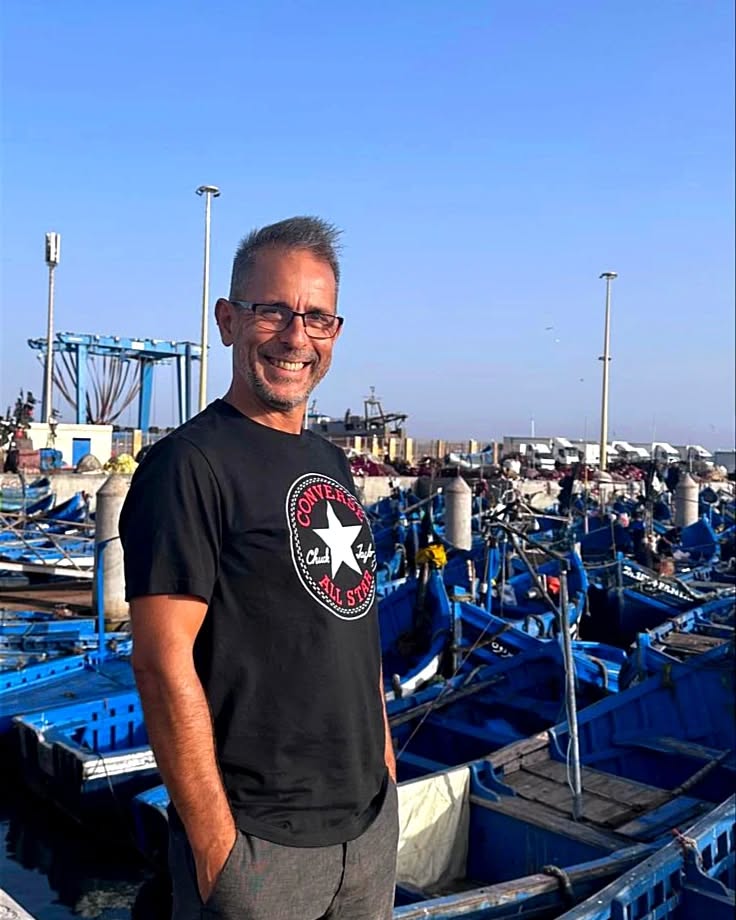
Essaouira, pequena e lindíssima cidade piscatória na costa atlântica de Marrocos.
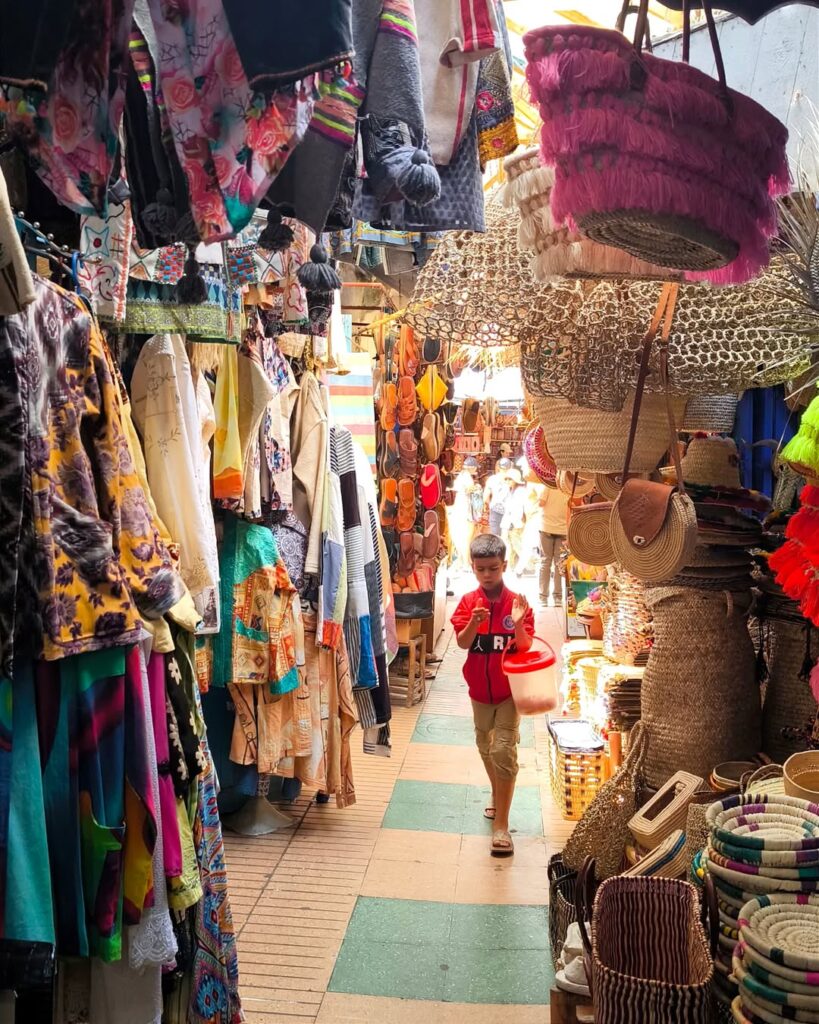
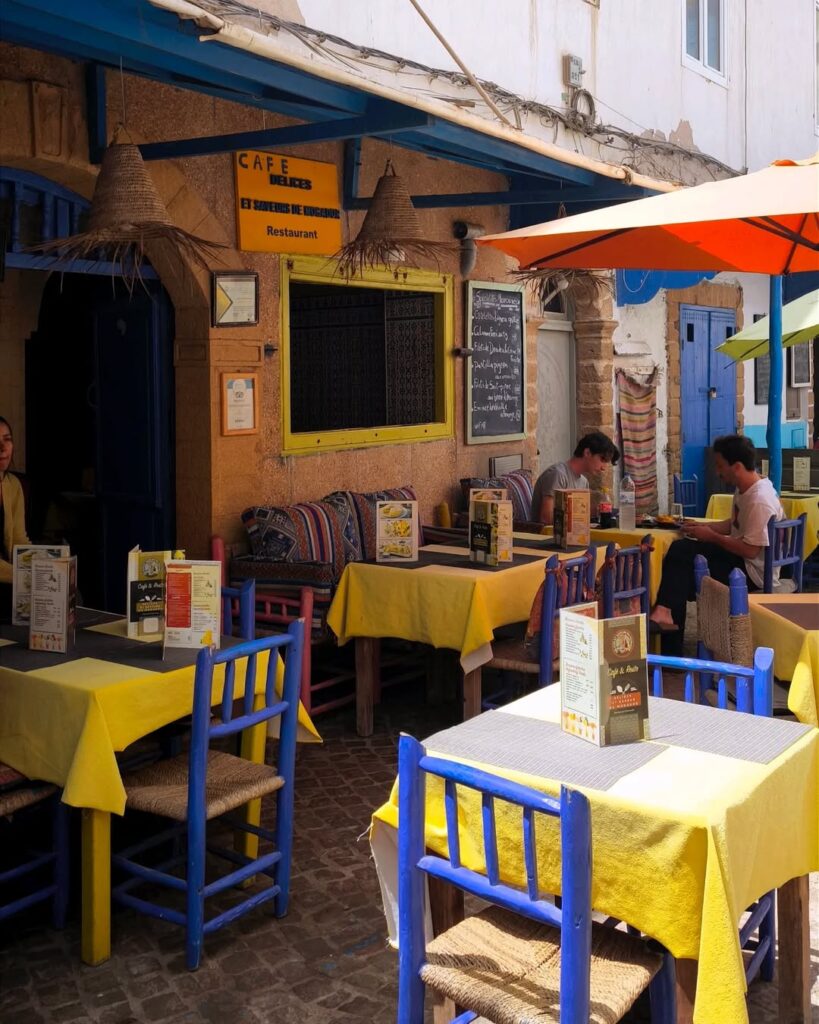
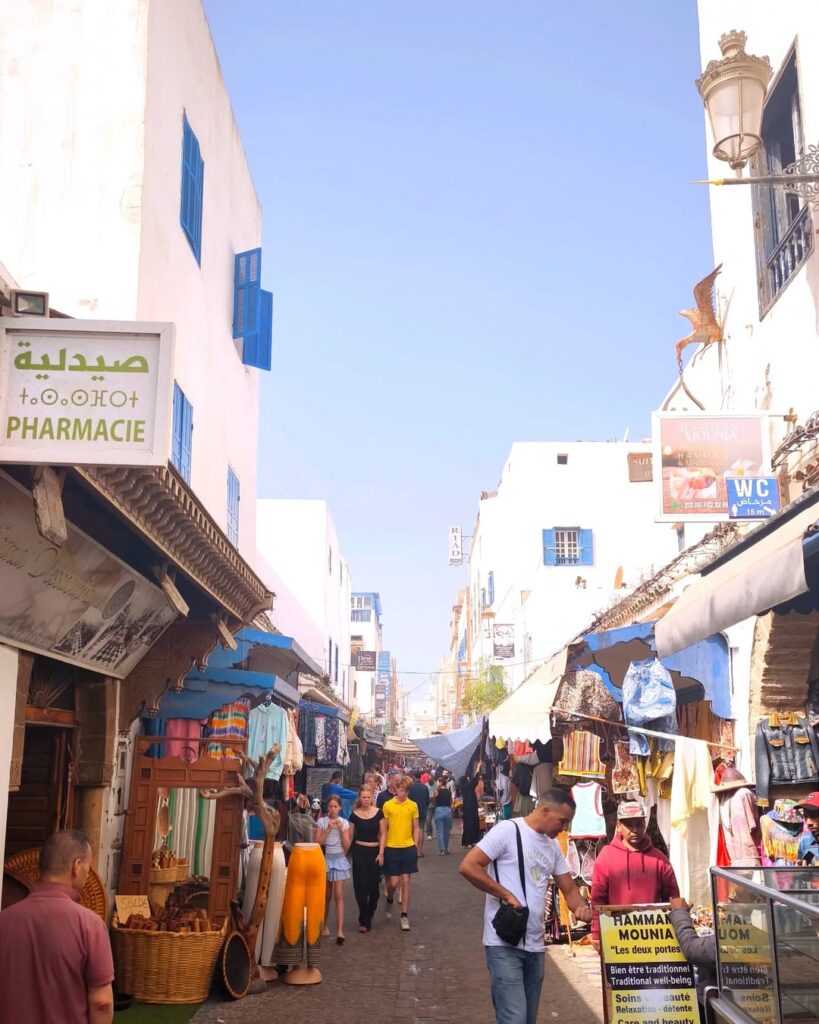
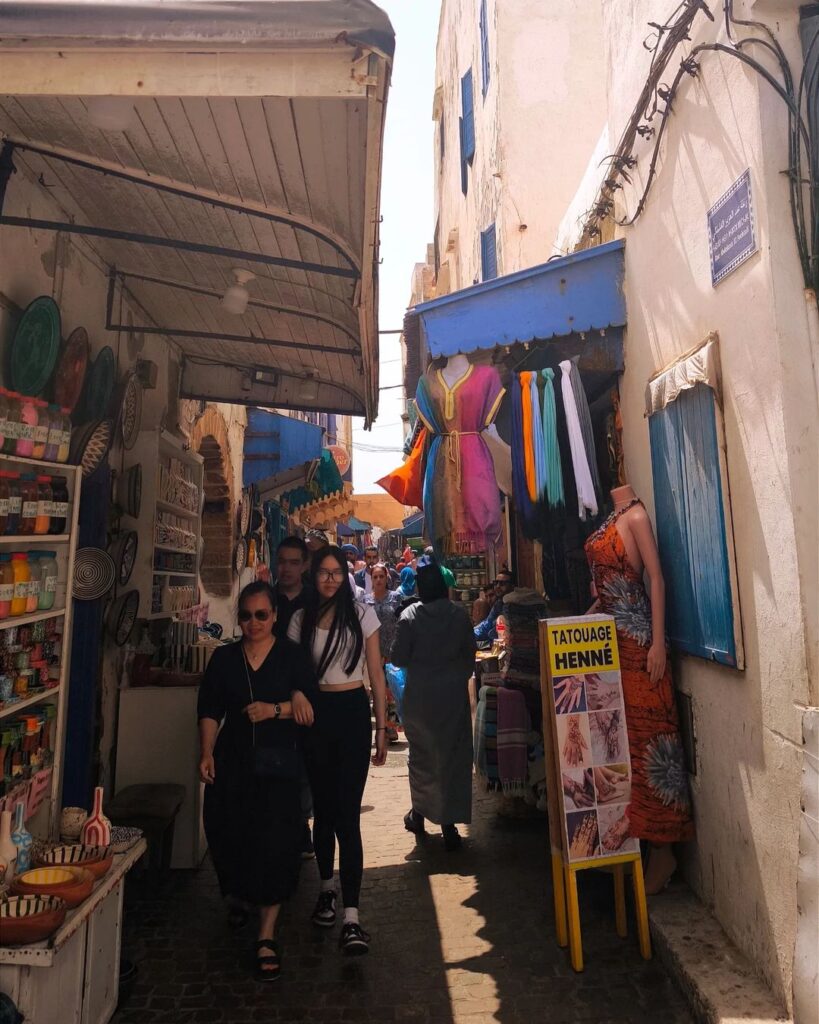
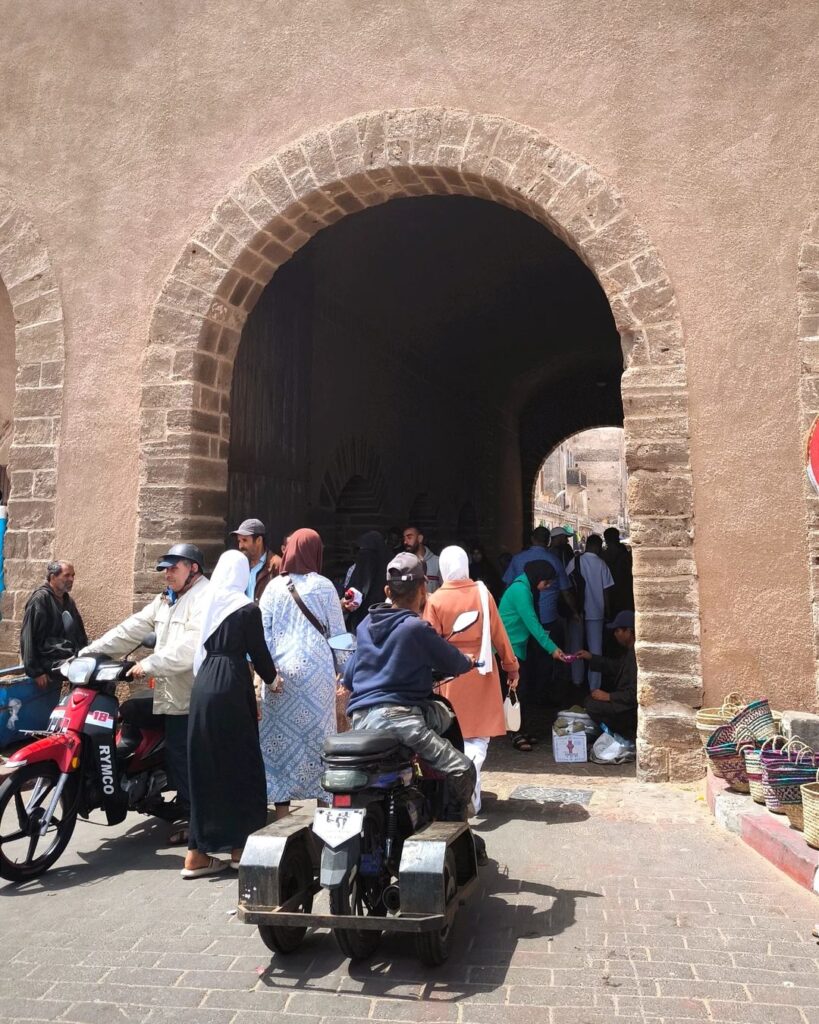
Com uma Medina medieval bastante charmosa, classificada pela UNESCO, com ruas estreitas, ocupadas por comerciantes bem menos insistentes que os de Marraquexe, pelo que pudemos apreciá-la de forma mais relaxada. Centenas de lojas de artesanato, comida, souvenirs, calçado e roupa, sendo frequente ver os artesãos a trabalhar e incontáveis lojas de óleo argão e seus derivados, com este famoso elixir a ser produzido em quantidades industriais mas de forma artesanal, nas ruas.
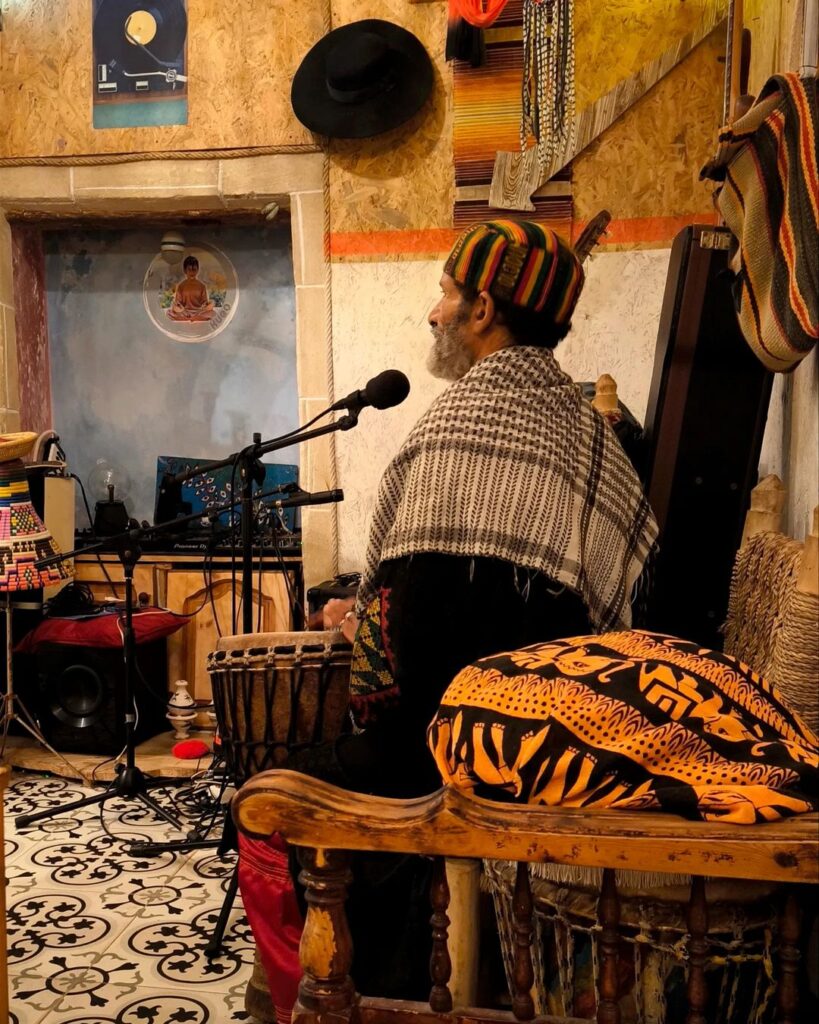
Com fortes tradições artísticas – é a sede do festival anual de ‘gnawa’, (música tradicional do povo bebere) é frequente encontrar músicos a atuar nas ruas e praças da cidade, ou jantar ao som de música ao vivo nos pequenos restaurantes que abundam nas pracetas da Medina bem como nos salões dos hotéis. A acentuar esta propensão artística as inúmeras galerias de arte com pintura, escultura, cerâmica ou joalharia, que podem ser encontradas enquanto se vagueia pela Medina.
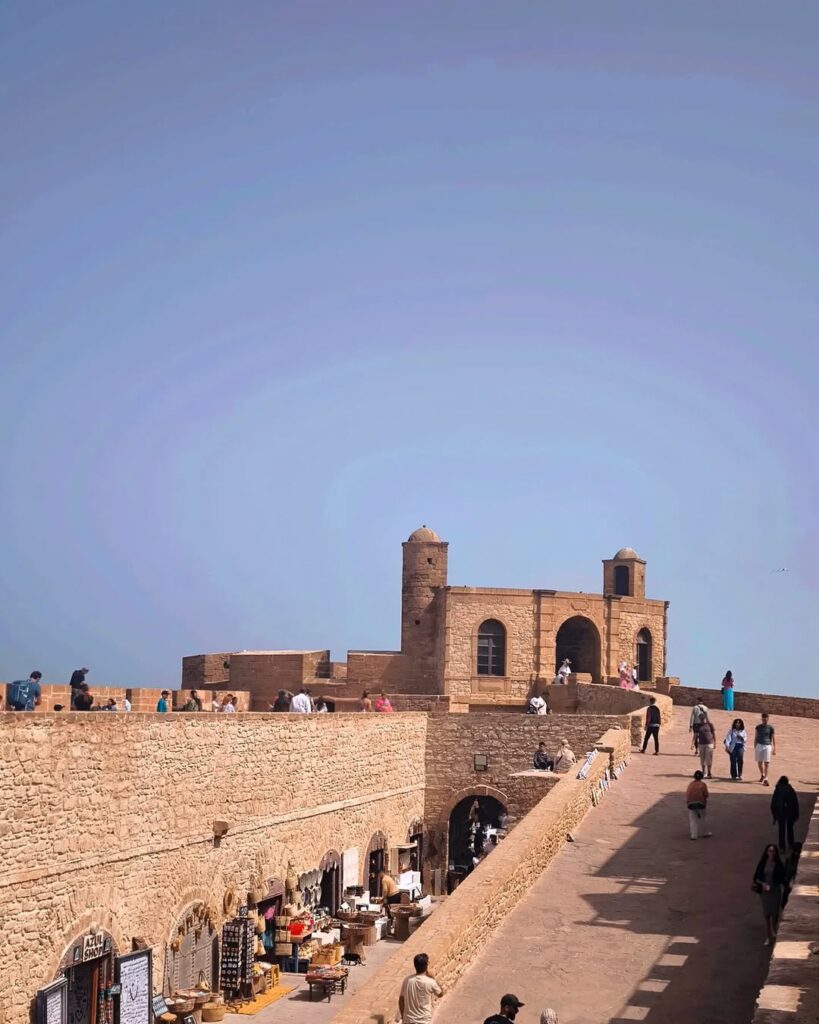
Um dos ex-libris da cidade, e ponto de visita e de foto obrigatória, é o porto de pesca com as suas típicas embarcações azuis, ladeado pelo Forte Real (inicialmente construído pelo portugueses em 1505) e por inúmeros restaurantes especializados em peixe e mariscos e povoado por milhares de gaivotas.
A praia é lindíssima, mas bastante ventosa, ou não seja Essaouira conhecida pelos seus ventos alísios e considerada um paraíso dos praticantes de windsurf e de kitesurf. A água do mar é bem fresquinha, a fazer lembrar a Figueira. Apesar destas condições, deu direito ao primeiro escaldão do ano.
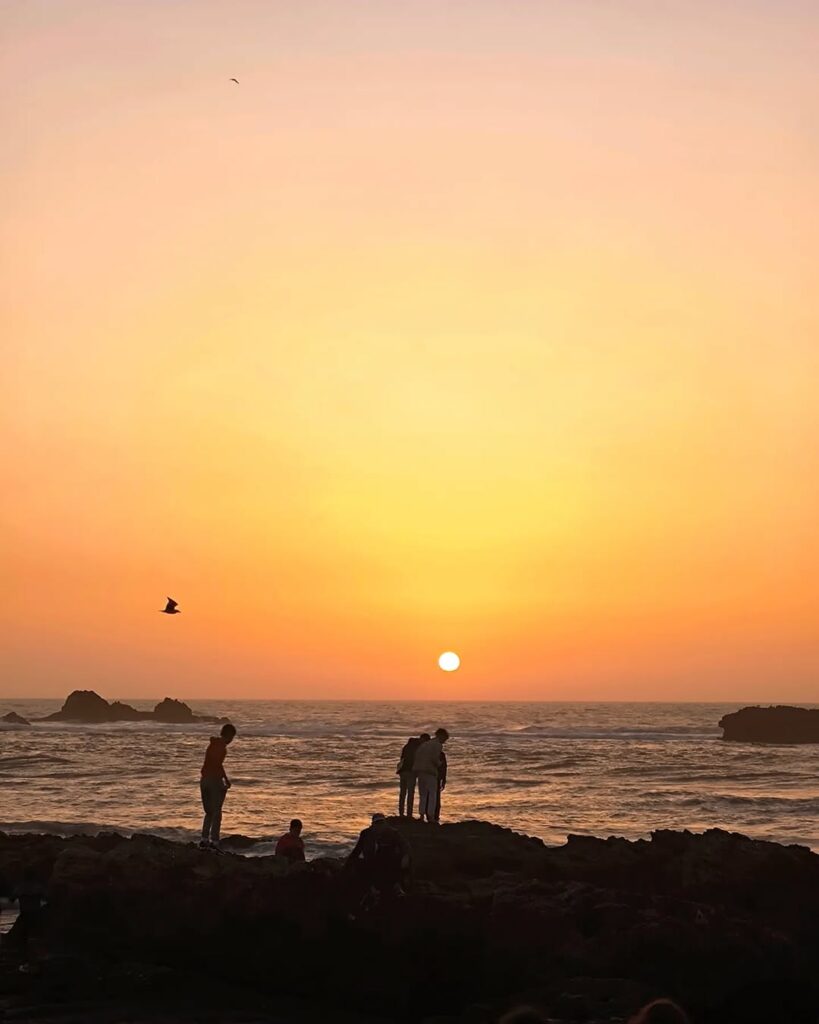
Tal como em Marraquexe no final do dia toda a vida desagua na enorme Place Moulay Hassan, fronteira ao mar, onde milhares de pessoas assistem ao por do sol aos som de diversos concertos improvisados de músicos locais.
Essaouira conquistou-me o coração e, de entre os locais onde estivemos, foi o único de onde saí com a certeza de que a despedida foi apenas um “até breve”, quanto mais não seja para o festival de Gnawa, género que, definitivamente, me conquistou os ouvidos.
[ENG]
Postcards from Morocco: Essaouira (2)
Essaouira is a beautiful little fishing town on Morocco’s Atlantic coast.
It has a charming medieval medina, classified by UNESCO, with narrow streets occupied by shopkeepers who are much less pushy than those in Marrakech, so we were able to enjoy it in a more relaxed way. Hundreds of stores selling handicrafts, food, souvenirs, shoes and clothes, where you can often see the artisans at work, and countless stores selling argan oil and its derivatives, with this famous elixir being produced in industrial quantities but by hand in the streets.
With strong artistic traditions – it is home to the annual ‘gnawa’ festival (traditional music of the Bebere people) – you can often find musicians performing in the streets and squares of the city, or dining to the sound of live music in the small restaurants that abound in the squares of the Medina as well as in the lounges of the hotels. Accentuating this artistic propensity are the countless art galleries with paintings, sculptures, ceramics and jewelry that can be found while wandering around the Medina.
One of the city’s ex-libris and a must-see is the fishing port with its typical blue boats, flanked by the Royal Fort (originally built by the Portuguese in 1505) and countless restaurants specializing in fish and seafood and populated by thousands of seagulls.
The beach is beautiful, but quite windy, although Essaouira is known for its trade winds and is considered a paradise for windsurfers and kitesurfers. The sea water is very fresh, reminiscent of Figueira. Despite these conditions, it was the first scald of the year.
As in Marrakech, at the end of the day all life flows into the huge Place Moulay Hassan, bordering the sea, where thousands of people watch the sunset to the sound of various impromptu concerts by local musicians.
Essaouira won my heart and, of all the places we’ve been, it was the only one I left with the certainty that the farewell was just a “see you soon”, if only for the Gnawa festival, a genre that has definitely captured my ears.
Deixe um comentário